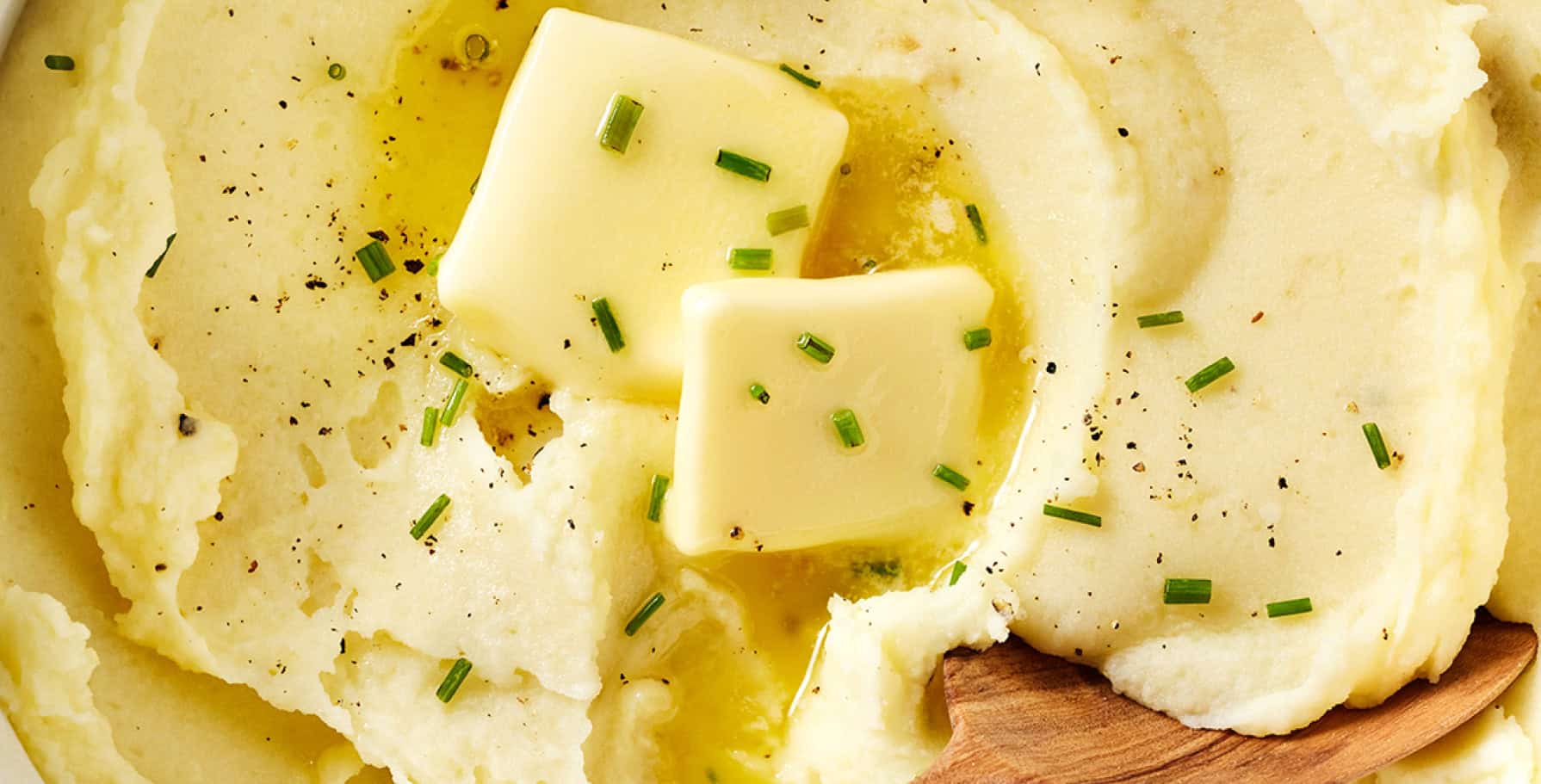
The Quest for the Best Mashed Potatoes Recipe: Your Ultimate Guide
There are few side dishes as universally loved and comforting as a generous serving of mashed potatoes. Velvety smooth, fluffy, and rich, they are a staple on holiday tables and a weeknight delight. But what separates good mashed potatoes from truly extraordinary ones? The secret lies in a combination of carefully selected ingredients and precise techniques. If you've been on a mission to discover the best mashed potatoes recipe, your journey ends here. We'll guide you through every step, from choosing the perfect spuds to achieving that coveted creamy consistency, ensuring your next batch is nothing short of perfection.
Choosing Your Potatoes: The Foundation of Flavor
The journey to the best mashed potatoes begins with the right potato. Different potato varieties offer distinct textures and starch levels, which directly impact the final result of your mash. For truly superior mashed potatoes, you want a potato that breaks down easily and absorbs butter and cream beautifully without becoming gummy.
- Russet Potatoes (Baking Potatoes): These are high in starch and low in moisture, making them incredibly fluffy when cooked. They easily absorb liquids and butter, resulting in a light, airy texture. If you love a dry, fluffy mash, Russets are your go-to.
- Yukon Gold Potatoes: A fantastic all-rounder, Yukon Golds have a medium starch content and a naturally buttery flavor and creamy texture. They don't require as much added butter and cream to achieve a rich taste and produce a wonderfully smooth, moist mash. Many chefs consider these the ultimate choice for the best mashed potatoes recipe due to their inherent creaminess.
- Avoid Waxy Potatoes: Varieties like red potatoes or new potatoes have a low starch content and high moisture. While great for roasting or salads, their cell structure tends to break down differently, making them prone to a gluey or gummy texture when mashed.
Selection Tip: When buying potatoes, look for firm, smooth skins free from sprouts, soft spots, or green areas. Store them in a cool, dark, and well-ventilated place, away from onions, to prolong their freshness.
The Art of Cooking Potatoes: Perfect Tenderness is Key
Once you've selected your potatoes, the cooking method plays a crucial role in their final texture. Improperly cooked potatoes will lead to lumpy or watery mash, detracting from the overall experience.
- Peel and Cut Uniformly: For the quickest and most even cooking, peel your potatoes (unless you prefer skins on for a rustic mash) and cut them into roughly 1-1.5 inch cubes. Uniformity ensures all pieces cook at the same rate, preventing some from being undercooked while others turn to mush.
- Start in Cold, Salted Water: Place the cut potatoes in a large pot and cover them with cold water by about an inch. Adding salt to the cooking water seasons the potatoes from the inside out, providing a deeper flavor foundation. Use about 1-2 teaspoons of salt per gallon of water.
- Bring to a Boil, Then Simmer: Bring the water to a rolling boil over high heat, then reduce the heat to a simmer. Cook until the potatoes are fork-tender – they should offer no resistance when pierced with a fork but not be falling apart. This usually takes 15-20 minutes, depending on the potato type and size. Overcooked potatoes absorb too much water, leading to a watery mash.
- Drain Thoroughly: This is a critical step often overlooked. Once tender, immediately drain the potatoes in a colander. For the truly best mashed potatoes recipe, return the drained potatoes to the empty hot pot over low heat for 1-2 minutes. This brief period of gentle heat helps evaporate any residual moisture, ensuring your mash is light and fluffy, not waterlogged.
Mashing and Mixing: Achieving Creamy Perfection
With perfectly cooked and dried potatoes, it's time for the magical transformation into creamy goodness. The choice of mashing tool and the temperature of your added ingredients make all the difference.
Essential Ingredients & Tools:
- Butter: High-quality unsalted butter is non-negotiable. Aim for at least 1/2 cup (1 stick) per 2 pounds of potatoes. Cut it into cubes and let it come to room temperature or gently melt it. Warm butter incorporates more smoothly.
- Dairy: Whole milk, half-and-half, or heavy cream will add richness and moisture. Start with 1/2 cup per 2 pounds of potatoes, warmed gently. Cold dairy can cool down the potatoes, making them harder to mash and less creamy.
- Salt and Freshly Ground Black Pepper: Taste and adjust as you go!
- Mashing Tool Options:
- Potato Ricer: This is the secret weapon for the ultimate smooth, lump-free mashed potatoes. Potatoes are pushed through small holes, creating light, airy strands that are incredibly easy to mix without overworking.
- Potato Masher: A good masher works well for a slightly chunkier, more rustic texture. Choose one with sturdy wires or a flat plate with holes.
- Fork: Can be used in a pinch for very small batches, but it's more labor-intensive and harder to get truly smooth results.
- Avoid Food Processors/Blenders: While tempting, these tools are too aggressive for potatoes. They break down the starch cells excessively, releasing too much starch and resulting in a gluey, gummy, and unappetizing texture.
The Mashing Technique:
Once the potatoes are dried in the hot pot, remove them from the heat. Add the softened or melted butter first. Mash the potatoes with the butter until mostly broken down. The fat coats the starch cells, preventing them from becoming gummy. Next, gradually add the warm milk or cream, mashing and stirring until you reach your desired consistency. Be gentle and avoid overworking the potatoes – excessive mashing develops starch and leads to stickiness. Taste frequently and adjust seasoning with salt and pepper.
For an even deeper dive into potato varieties and their culinary applications, check out our guide on best mashed potatoes recipe - Article 2. It offers insights into optimizing your potato choice for various dishes.
Flavor Enhancements and Variations: Beyond the Basics
While a classic butter and cream mash is sublime, you can elevate your best mashed potatoes recipe with a few simple additions:
- Garlic Infusion: Add a few peeled garlic cloves to the pot while boiling the potatoes. Mash them along with the potatoes for a subtle garlic flavor. Alternatively, roast a whole head of garlic until soft, then squeeze the paste into your mash for a richer, sweeter garlic punch.
- Herbs: Fresh chives, parsley, rosemary, or thyme (finely chopped) stirred in at the end add freshness and aroma.
- Cheese: Stir in grated Parmesan, sharp cheddar, or even a dollop of cream cheese or Boursin for extra richness and tang.
- Sour Cream or Crème Fraîche: A spoonful or two adds a delightful tang and extra creaminess.
- Bacon Bits: Crispy bacon bits folded in or sprinkled on top provide a smoky, savory crunch.
- Truffle Oil: A drizzle of high-quality white truffle oil adds an earthy, luxurious aroma and flavor.
If you're looking to explore a wider array of creative twists on this classic, our article best mashed potatoes recipe - Article 3 offers fantastic inspiration for elevating your side dish, covering everything from gourmet additions to international influences.
Tips for Serving and Reheating: Keeping Them Delicious
The perfect mashed potatoes deserve to be served and enjoyed at their best, and sometimes, that means knowing how to handle leftovers.
- Serving Immediately: Mashed potatoes are always best served fresh. Keep them warm by covering the pot and placing it over a double boiler or in a warm oven (around 200°F / 93°C) for up to 30 minutes. A little extra butter or cream stirred in right before serving can revive them.
- Garnishes: A sprinkle of fresh chives, a pat of melting butter, a drizzle of pan gravy, or a grind of black pepper adds visual appeal and extra flavor.
- Reheating Leftovers: Mashed potatoes tend to stiffen as they cool. To reheat, place them in a saucepan over low heat, adding a splash of milk or cream, and stir gently until heated through and creamy again. You can also reheat them in the microwave in short bursts, stirring frequently, or in the oven in a covered dish with a little extra liquid until warm.
- Storage: Store leftover mashed potatoes in an airtight container in the refrigerator for up to 3-4 days.
Mastering the best mashed potatoes recipe is a culinary accomplishment that will bring joy to countless meals. By paying attention to the type of potato, cooking them just right, and incorporating quality fats and dairy with gentle mashing, you can achieve a side dish that is truly unforgettable. Experiment with the flavor variations to find your personal favorite, and don't be afraid to make them often – practice makes perfect when it comes to this beloved comfort food. Enjoy the journey to mashed potato perfection!
